
Doctor Emma / Yerevan
Orthodontics for children and teenagers
From the first assessment and growth monitoring to comprehensive orthodontic treatment.
The teeth and jaws continue to develop throughout childhood and adolescence. The orthodontist’s task is to identify problems in time, assess growth and determine when treatment is needed and when monitoring is enough.
Not every child needs early intervention. The best time to start treatment depends on the diagnosis and stage of development.
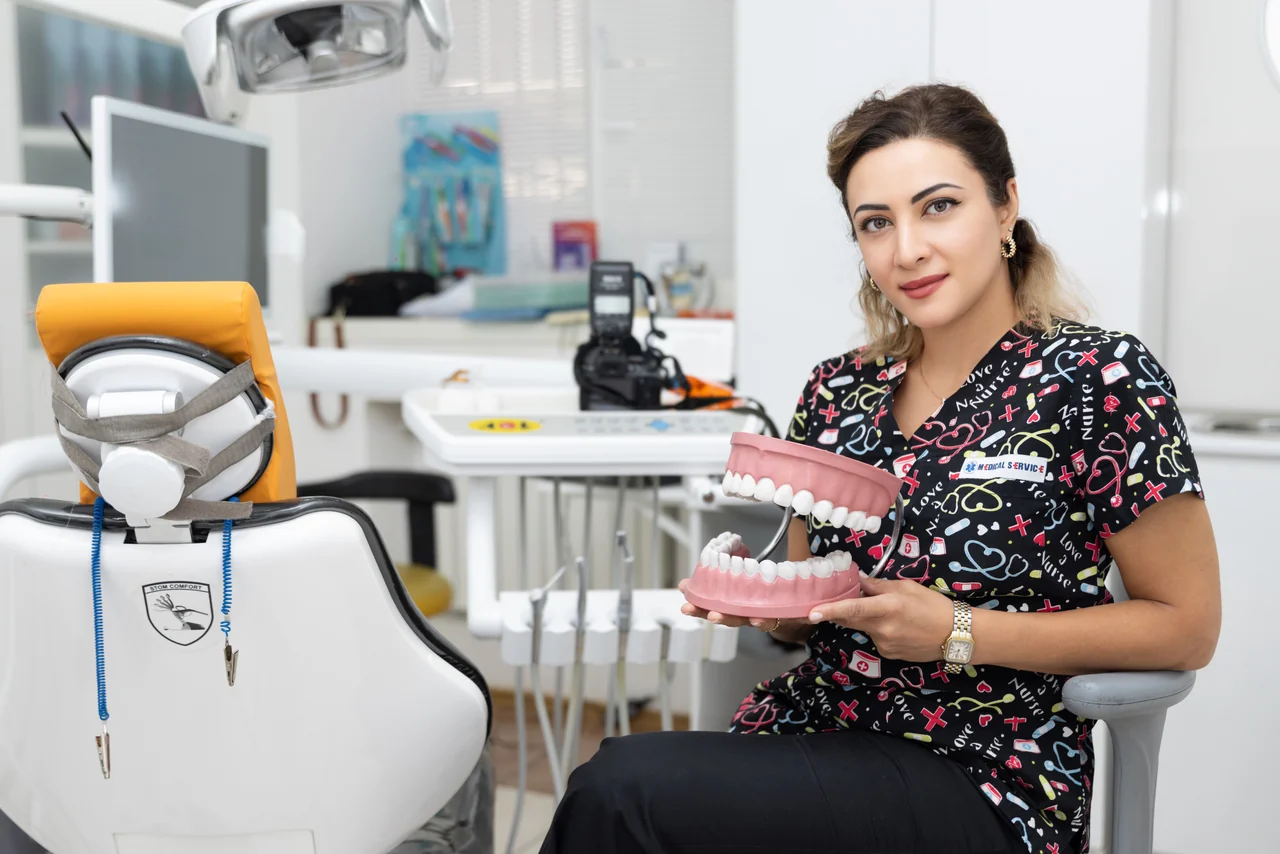
When should your child first see an orthodontist?
A first preventive orthodontic assessment is recommended no later than age seven. If you notice bite problems, unusual tooth eruption or other concerns, you can seek advice earlier.
By this age, the orthodontist can assess how the dental arches are developing, the position of emerging permanent teeth and the relationship between the jaws.
An early assessment does not mean that your child will immediately need braces or another appliance. Periodic monitoring is often recommended.
What the orthodontist assesses
At the consultation, I assess:
- The stage of bite development.
- The relationship and development of the jaws.
- Tooth position and the sequence of eruption.
- Whether there is a lack of space.
- Crossbites and other problems with how the teeth meet.
- Functional patterns and habits that may affect the development of the teeth and jaws.
When needed, I request additional investigations. Their scope is determined by the clinical indications.
Tell me if your child finds chewing difficult, breathes through the mouth or has habits that concern you. When needed, I recommend a consultation with an appropriate specialist.
When monitoring is enough and when treatment is needed
Not every variation during growth requires immediate intervention.
Sometimes the appropriate approach is to monitor bite development and choose the right time for treatment.
In other situations, early treatment may be indicated, for example for certain jaw relationship problems, crossbites, eruption difficulties or a significant lack of space.
The decision follows diagnosis, rather than age alone.
Early orthodontic treatment
When indicated, different orthodontic appliances may be used to expand dental arches, correct specific bite problems or create conditions for permanent teeth to erupt appropriately.
The appliance is chosen according to the clinical objective and the growth potential.
Early treatment does not always remove the need for further correction during adolescence. Its goals and limitations should be discussed in advance.
Orthodontic treatment for teenagers
During adolescence, treatment is planned around the development of the permanent bite, remaining growth and the tooth movements needed.
Depending on the diagnosis, braces, aligners and additional orthodontic appliances may be used.
The choice takes account of the clinical capabilities of the method and the teenager’s readiness to follow recommendations.
Regular monitoring, hygiene and parental support with treatment arrangements are important.
We discuss the appliance’s appearance with the teenager. Before treatment, we agree on care, appointments and what to do if an appliance breaks.
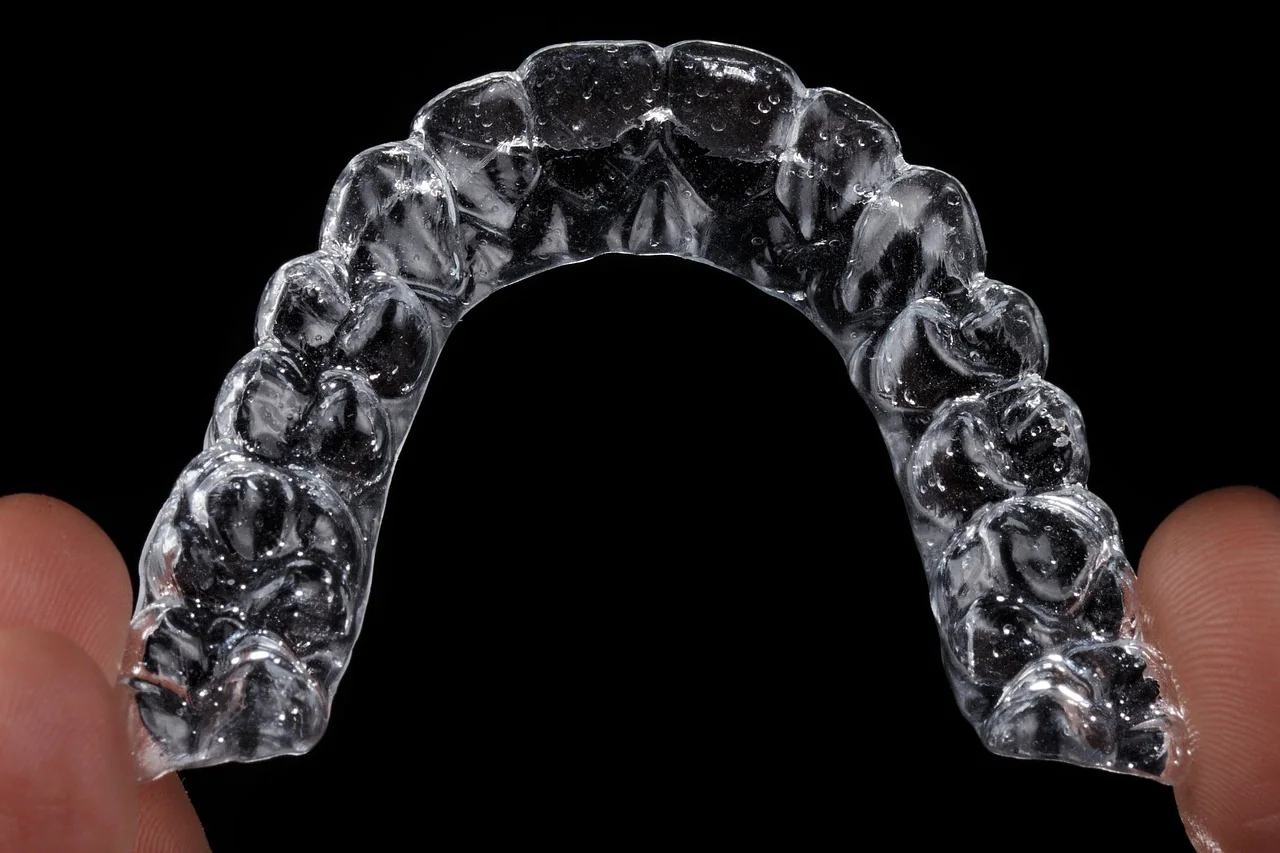
Braces and aligners in everyday life
With braces, careful hygiene, following dietary advice and regular check-ups are essential.
With aligners, you need to follow the prescribed wear schedule, remove the trays for meals and care for them correctly.
Learning how to care for your teeth and appliances is part of orthodontic treatment, rather than an optional extra.
School, sport and an active life
Orthodontic treatment does not mean giving up school activities or sport.
At school, it is important to be able to clean your teeth after meals and store removable appliances safely.
For contact training and sports with a risk of impact, a suitable protective mouthguard is needed.
With braces, the mouthguard must accommodate the fixed appliance. Aligners do not replace a sports mouthguard: remove them for contact activities and use suitable protection.
After an impact, the teeth, lips, braces and other appliances need to be assessed. A dental injury requires urgent dental assessment; contact your orthodontist if an orthodontic appliance is damaged.
Before training
If your sport involves a risk of being hit in the face, sort out protection before your first game or sparring session. Tell your orthodontist which sport you play and check the coach’s equipment rules.
If you wear braces
For contact play, use a sports mouthguard that fits over your braces without pressing on them. Show it to your orthodontist. The fit can change as teeth move. Bring it to a check-up if it feels tight or starts slipping.
If you wear aligners
For contact play, take out your aligners, put them in their case and wear a sports mouthguard. Ask your orthodontist in advance how to fit training into your wear schedule. Return to the agreed schedule after play.
After a hit
Stop playing and tell a coach or another adult if a tooth hurts or feels loose after a hit, a bracket comes off or the wire bends. Seek urgent dental care for a tooth injury. Contact your orthodontist about damage to the appliance.
School and daily care
If you wear aligners, take your case to lunch so you can put them away before eating. If you wear braces, ask your orthodontist what to pack for cleaning after meals and which foods can damage the appliance.
The role of parents and teenagers
Treatment depends on cooperation between the clinician, the patient and the family.
Parents help organise appointments and support adherence to recommendations. As teenagers grow older, they gradually take greater responsibility for oral hygiene and appliance use.
Teenagers take part in the discussion and can ask their own questions. We explain to parents why follow-ups matter and where support with care may help at home.
Preparing your child and parental support
Explain that the clinician will examine the teeth and discuss the next steps. Bring previous X-rays and reports if you have them. During treatment, parents help with hygiene and appliance wear. We discuss how to make these responsibilities clear to your child.
Consultation
At the first assessment, we discuss why you have come, assess bite development and determine whether treatment is needed now or monitoring is more appropriate.
If you have previous X-ray images or reports from the past 6 months, please bring them with you. The age of existing images does not in itself mean that repeat imaging is needed. The clinician determines whether new investigations are clinically indicated.