
Doctor Emma / Yerevan
Orthodontic treatment for adults
Braces and aligners. Diagnosis, an individual treatment plan and monitoring the outcome.
Tooth alignment and the bite can be corrected in adulthood too. Planning requires an assessment of more than tooth position: periodontal health, existing restorations, bite characteristics and other clinical factors also matter.
My task is to determine which changes are needed, how they can be achieved and how to maintain the result.
The decision follows diagnosis
Diagnosis before treatmentWhy adults seek orthodontic care
- Crowding and misaligned teeth.
- Gaps between teeth.
- Problems with how the upper and lower teeth meet.
- Teeth moving again after previous treatment.
- Preparation for prosthetic restorations or dental implants.
- The need for comprehensive treatment with other dental specialists.
Each situation requires its own diagnostic assessment. Problems that look similar can have different causes and require different treatment plans.
Diagnosis before treatment
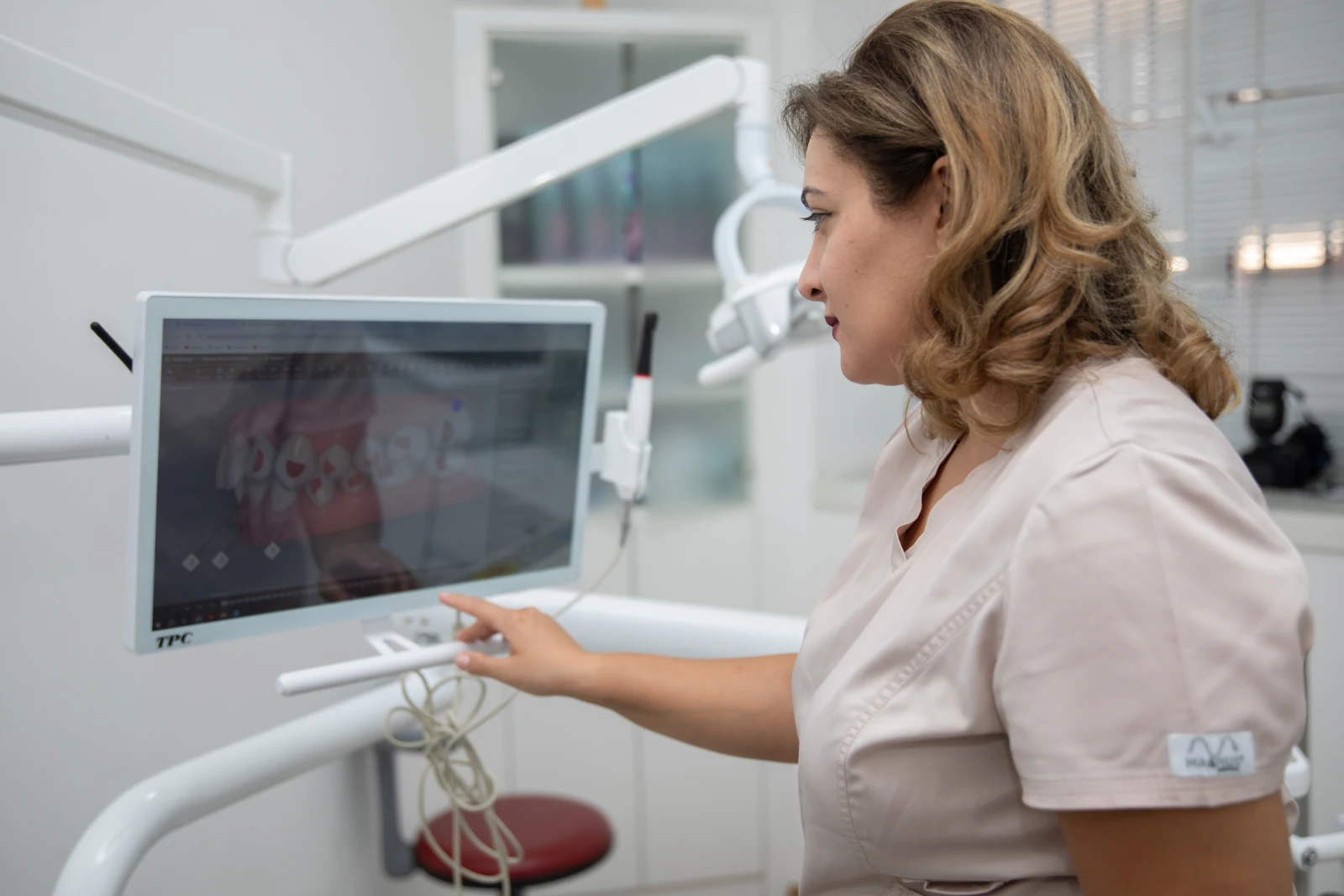
At the first appointment, I carry out a clinical examination and assess the dental arches, how the teeth meet, tooth position and the surrounding tissues.
A comprehensive treatment plan may require:
- Photographs of the face and dental arches.
- Digital scans or diagnostic models.
- X-ray examinations when indicated.
- A periodontal assessment.
- Consultations with other specialists when needed.
Not every patient needs the same set of investigations. The clinical situation determines the scope of the diagnostic assessment.
Braces or aligners?
Both methods can move teeth orthodontically, but differ in how forces are applied, how the appliances are used and how treatment is monitored.
Braces
Fixed appliances that allow the orthodontist to control tooth movement using archwires and additional components.
Treatment requires regular follow-up appointments and particular attention to oral hygiene.
Aligners
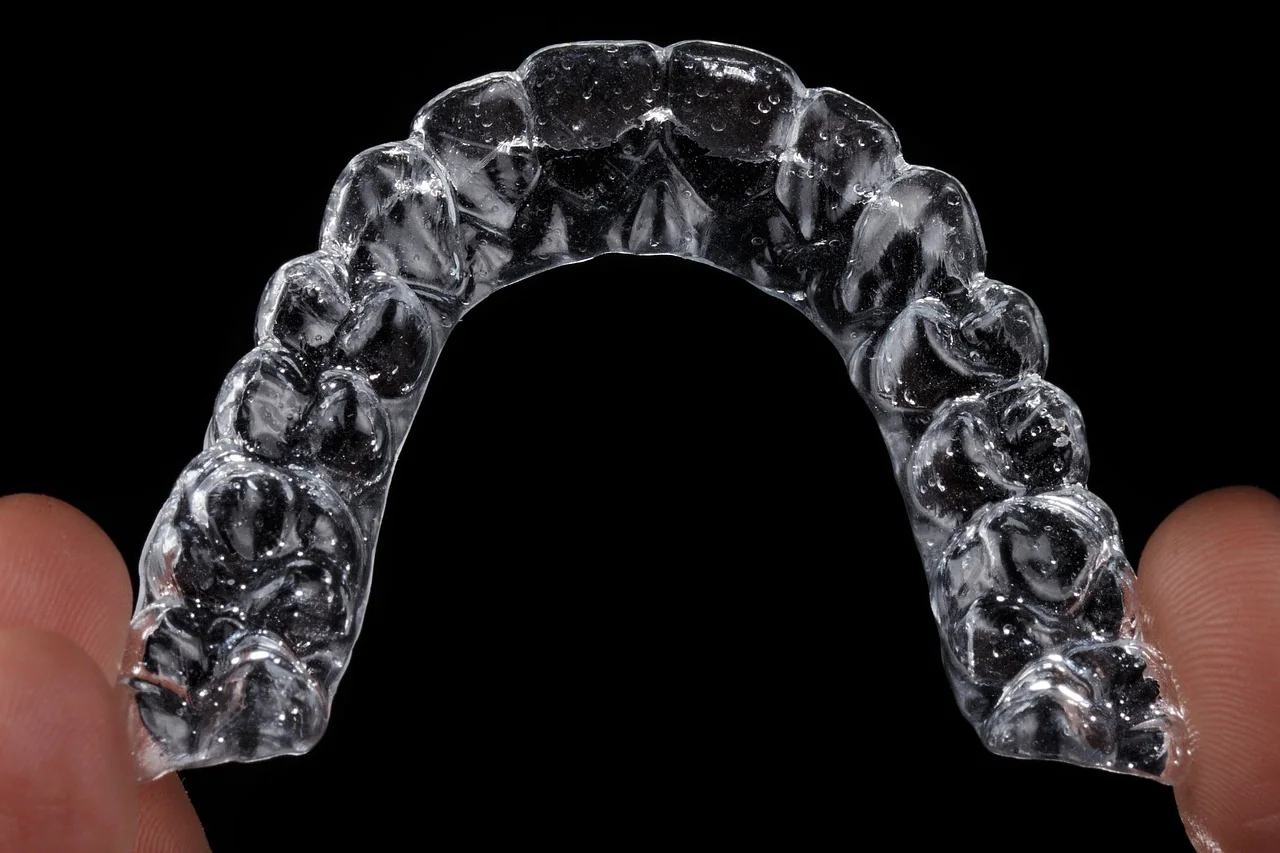
A series of individually made removable trays that move teeth progressively according to the treatment plan.
The result depends on planning and on following the prescribed wear schedule. Some situations require additional components and adjustments to the plan.
How I choose the method
The decision depends on the diagnosis, the tooth movements needed, tissue health, the capabilities of the appliance and the patient’s individual circumstances.
Sometimes both options are suitable. In other cases, one method has significant advantages or limitations.
How treatment progresses
- Diagnosis
Collecting the necessary records and defining the clinical objectives. - Planning
Discussing the options, treatment sequence, estimated duration and limitations. - Active treatment
Fitting braces or providing aligners. Monitoring tooth movement and adjusting the plan when needed. - Completion and retention
Assessing the outcome and selecting retainers to maintain tooth position.
Treatment duration is individual. It cannot be reliably determined from a photograph of a smile alone.
If you have periodontal disease or missing teeth
For adults, orthodontics is often part of comprehensive dental rehabilitation.
With periodontal disease, it is important to assess tissue health and achieve the necessary stabilisation before moving teeth. If implants or prosthetic restorations are planned, orthodontic treatment is coordinated with the overall treatment plan.
The sequence of care is particularly important in these situations.
After braces are removed or aligner treatment is completed
Teeth can change position after active treatment has ended. Retention is therefore an essential part of orthodontic planning.
The type of retainers, wear schedule and follow-up are chosen individually.
Your first consultation
At the consultation, we discuss your main concern, carry out an examination and determine which diagnostic records are needed to choose treatment.
If you already have recent X-rays or examination results, bring them with you.